Recognised and supported by









Reaches the scalp first time, on every head. Less setup time, fewer lost recordings, nobody turned away.
Cup and disc electrodes work the same way they did in the 1920s. They still cannot reach the scalp through thick, curly or afro-textured hair, which fails one specific group of people and makes every session harder for the person running it. In one review, five of eighty-one EEG papers included any Black participants.
of EEG researchers hit this. Manufacturers, clinics and research groups call it a design problem.
say a hardware fix would help their work.

I am missing out on medical information simply due to my hair texture.
Clinical EEG patient, 4B hairOne line from a survey of 55 researchers, clinicians and patients. Every response is published in full.
Read all of them →Placement, gelling, cleaning, repeated per electrode and per participant. The difficult heads slow the whole list down.
Bad contact, bad signal. Sessions get discarded and participants quietly excluded, so the cohort you analyse is smaller than the one you recruited.
Funders are asking harder questions about who is in your sample. Hardware that only works on some heads is not an answer you want to give.
A recording that runs long, or has to be repeated, is clinic time you do not get back. UK neurology is already short: the North East has one neurologist per 755 people with epilepsy, London one per 191. Every repeat appointment comes out of that. Source: Epilepsy Action, 2024

Reaches the scalp first time, on any head that sits down.
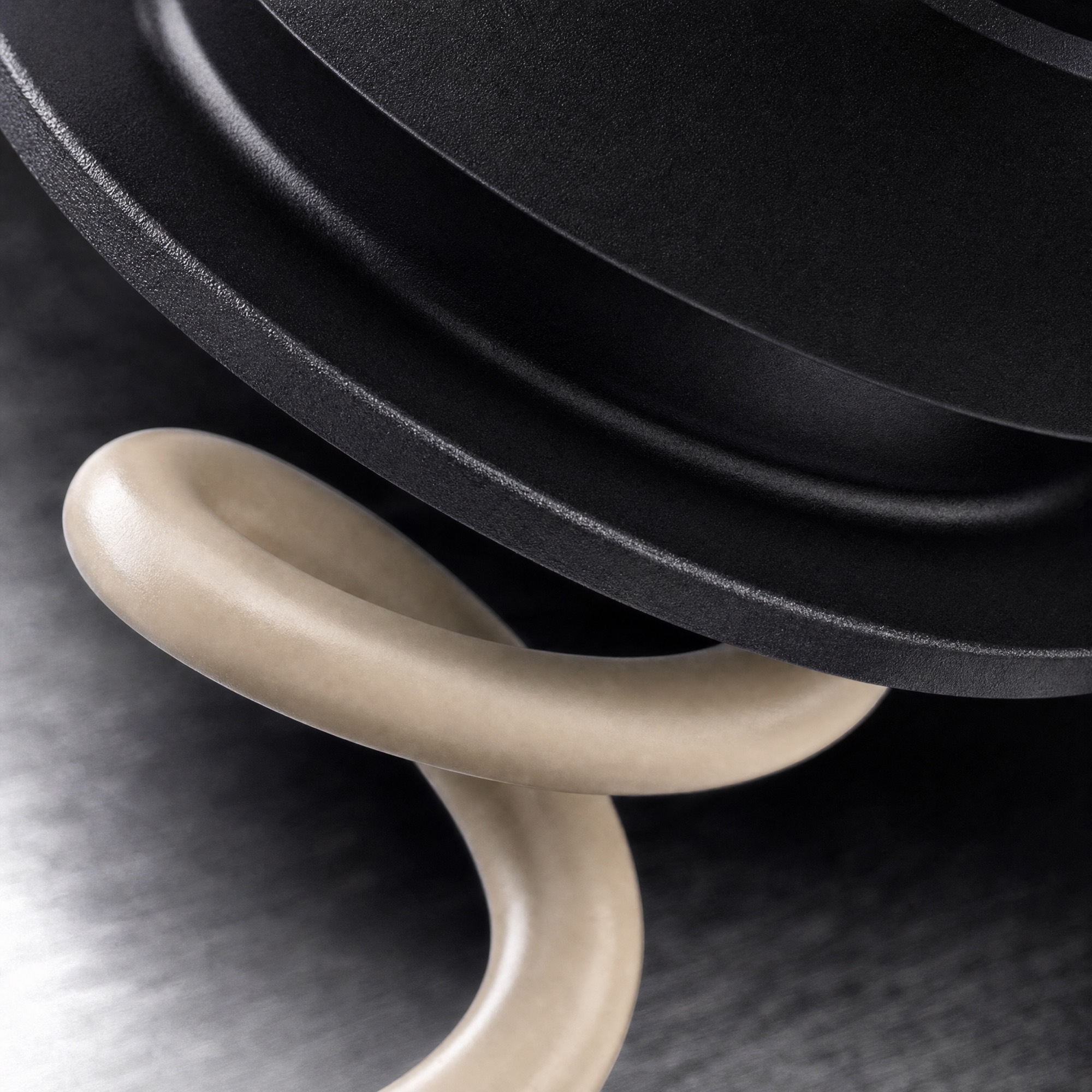
The tip reaches the scalp, so there is no gap to bridge with gel.
Straight, wavy, curly, coily, afro-textured. Braids and protective styles too.
A checkable claim, not a statement of intent.
No parting, no re-prep, no second visit. The same protocol for every patient on the list.
We put Syn-R1 and a g.tec Ladybird passive wet electrode on the same head at the same time, through the same amplifier and the same reference. Both found the alpha rhythm at the same frequency: 9.06 Hz against 9.03 Hz.
Preliminary data from a validation study running now. The paper and the raw recording are published, so you can check it rather than take our word for it.
See the data and download the paper →
Research use only. Validate on your own participants and equipment. Ships from late 2026.
Early accessSame design, medical-grade materials. CE and UKCA in progress, FDA to follow.
Clinical interestEmbed the mechanism in your own line, or carry Syn-R1 in your market.
Partner with usRun a student society, or based somewhere standard pricing doesn’t work? See our student partner program or our regional access program.
Research units ship from late 2026. Clinical departments can register interest now.