The team
The people behind Synaptive.
Founders
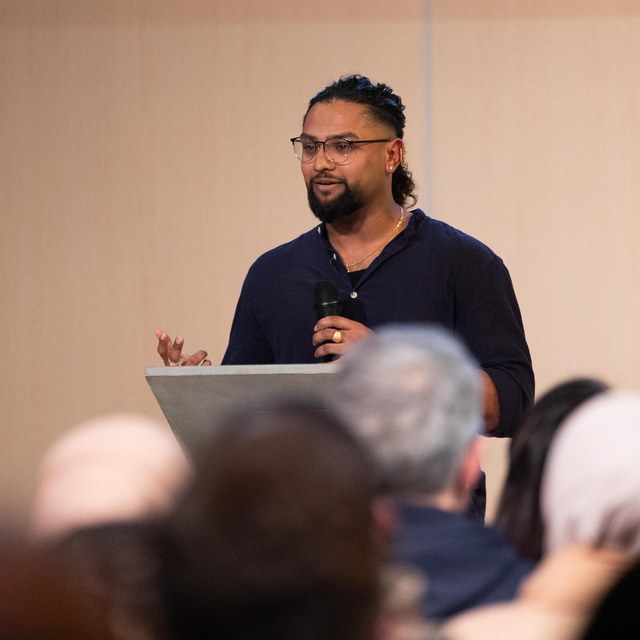
Rishan Patel
CEO, PhD, Co-founder
University College London
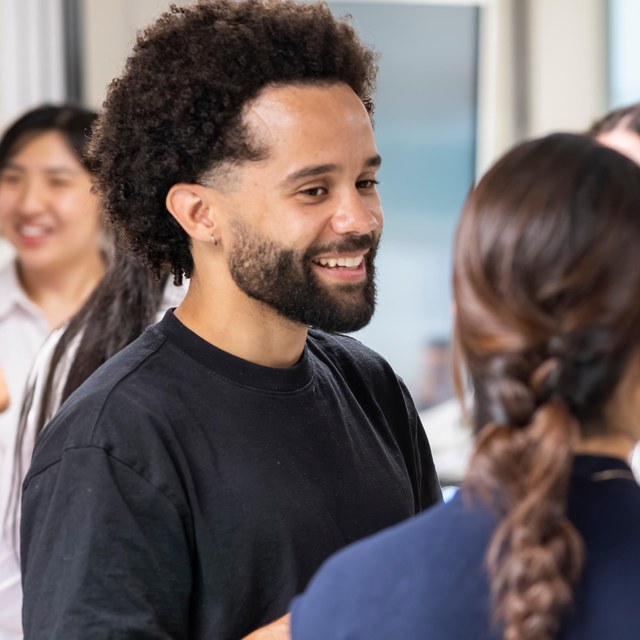
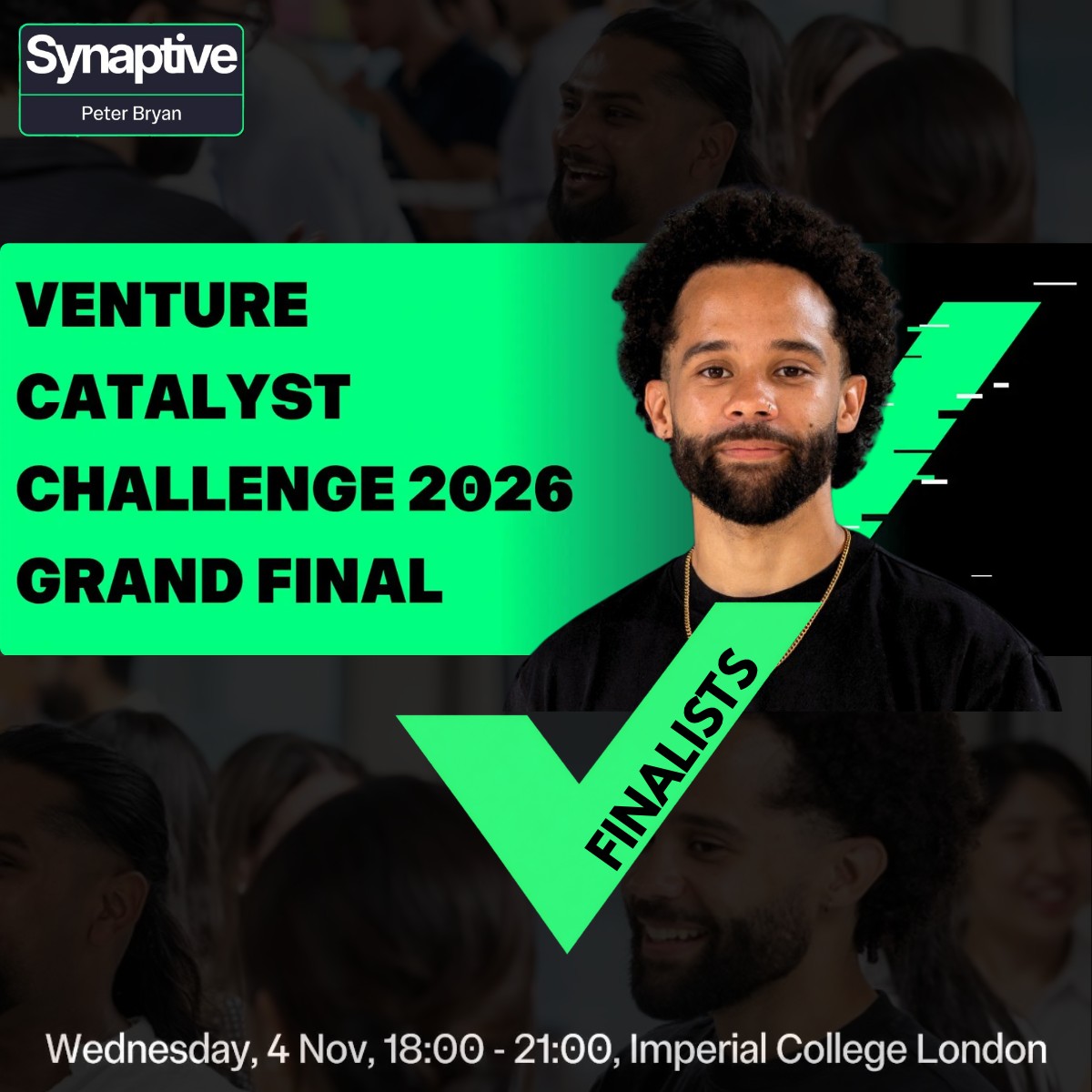
Peter Bryan
CTO, PhD, Co-founder
Imperial College London
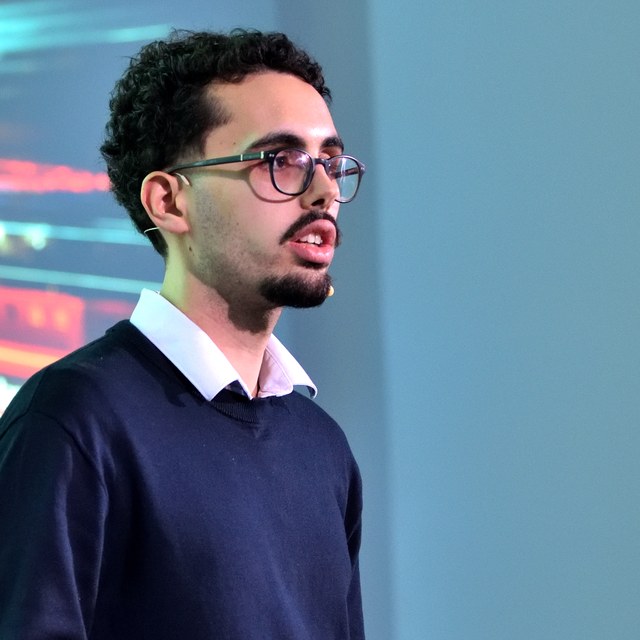
Merlin Angel Kelly
CSO, PhD, Co-founder
University College London
Advisors
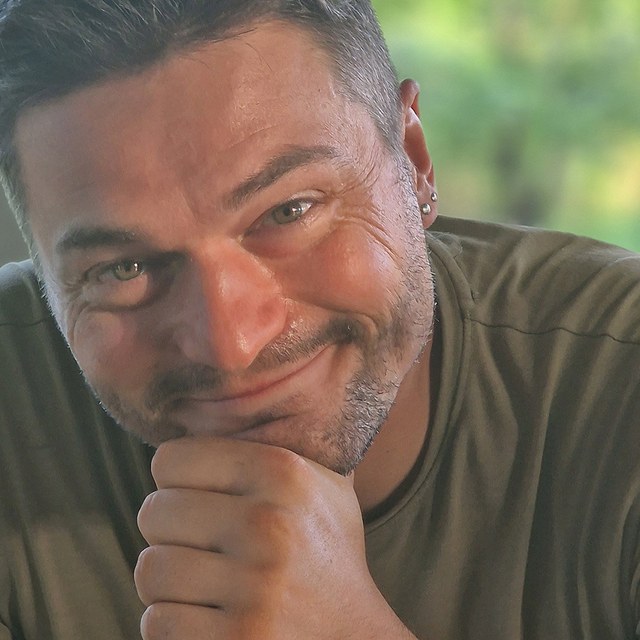
Greg Dickens
Technology Advisor, Doctor of Veterinary Medicine
Medical device R&D and IP strategy, including work with J&J, Medtronic and Arena.
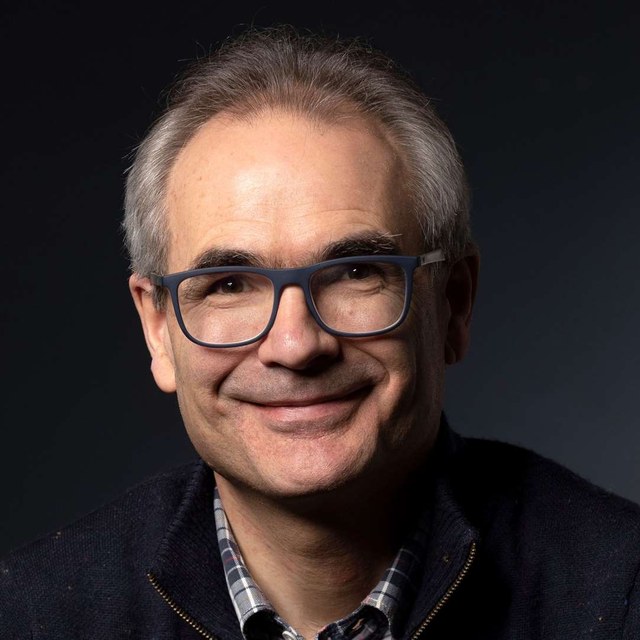
Julian Hildersley
Business Advisor
Co-founder, Forefront RF
The team
The people who do the work with us. Most are still studying. None of them are here to fetch coffee.
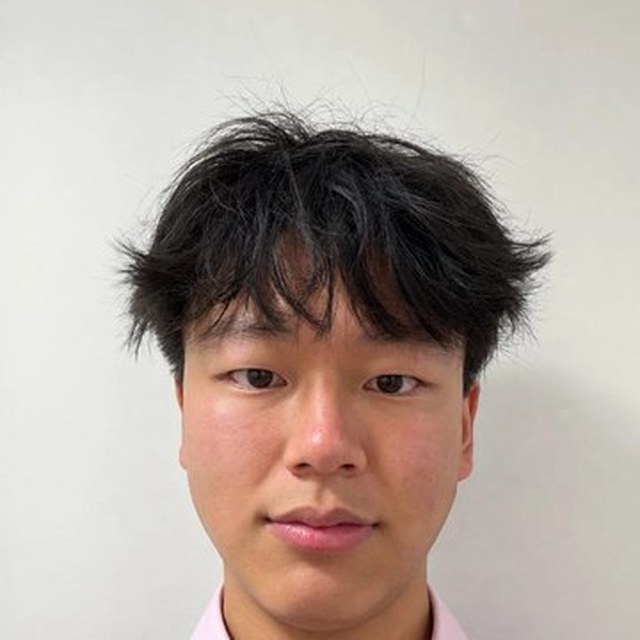
Chongyang Lu
Social Media and Marketing
Biomedical Sciences, Newcastle University
Works on
LinkedIn →
- Social media and marketing
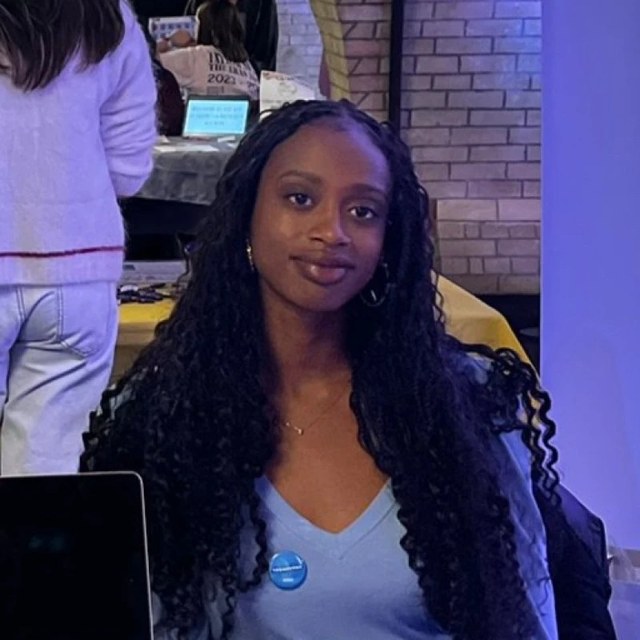
Wendy Eboigbe
Science and Research
MPhil Translating Medical Device and Advanced Therapy Research, University of Cambridge. Co-founder, KCL Neurotech Society.
Works on
LinkedIn →
- Opinion pieces
- Study design
- General scientific support
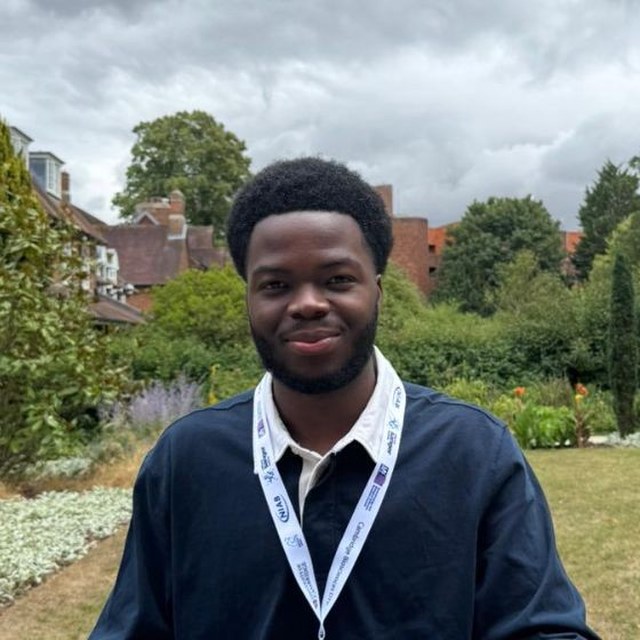
Emmanuel Ogunsakin
EEG Experimentation
MBBS, University of Southampton. Intercalated BSc, UCL.
Works on
LinkedIn →
- EEG experimentation
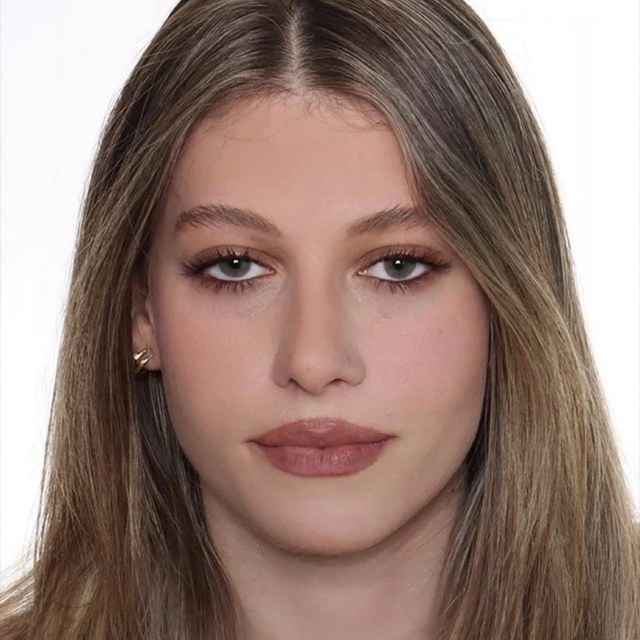
Valentini Yioti
Business Strategy
Neuroscience research background
Works on
LinkedIn →
- Reaching more research customers
- What we prioritise to grow the research base
Engineering, neuroscience, design, regulatory, marketing.
This could be you.
Any discipline
Tell us what you want to work on and why it matters to you.
Reach out →
I wanted to join Synaptive because of their mission to build EEG hardware that worked for every hair type. This directly aligned with my interest in neurotechnology and inclusive brain research. I was excited by the chance to contribute to a research-led team that is solving a real-world obstacle in the clinical and neuroscience field.Chongyang Lu
I wanted to join Synaptive because it brings together my interests in neuroscience, innovation, and translating scientific research into meaningful real-world impact. With a background in neuroscience research, I recognise the importance of making scientific tools more accessible and inclusive. Synaptive’s mission to address a longstanding barrier in EEG research particularly resonated with me.Valentini Yioti
Collaborators
LK
Lexi Kier
Research Collaborator