Built for the department
One electrode for every patient on the list.
No separate protocol. No asking a patient to change their hair. No second appointment.

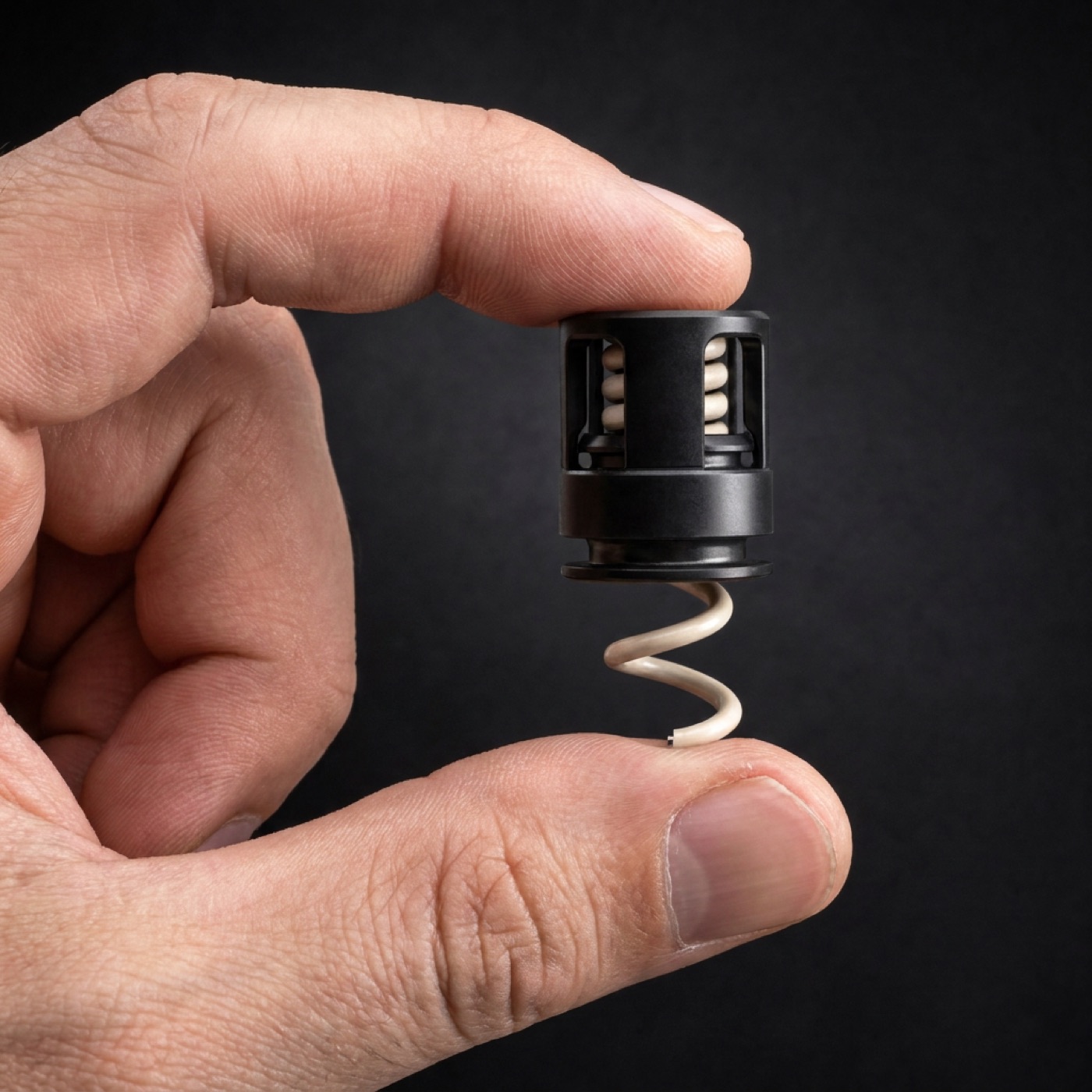
In research, poor scalp contact costs a data point. In a clinical department it costs a patient a result. The clinical edition is the same patent-pending mechanism in medical-grade materials, single-use, for routine EEG.
Standard electrodes cannot reach the scalp through afro-textured, coily and curly hair. Patients get asked to change their hair, sent away, or recorded badly.
Place, twist, gel, on every patient. No separate protocol by hair type.
The same recording quality regardless of hair type, at the point of care.
Supplied as a single-patient, single-use device. No decontamination cycle, no reuse tracking, no cross-contamination pathway between patients.
No separate protocol. No asking a patient to change their hair. No second appointment.
UK neurology is short-staffed and unevenly distributed. Where a patient lives changes how quickly they are seen, and how long they wait for a result.
There is no minimum standard for an epilepsy service. NICE guidance is helpful, but there are no penalties for failing to follow them, so we lack the key performance indicators for secondary care that could be used to improve equity and access.
Figures and quotation from ‘Huge and unjust disparities’ across NHS neurology services, Epilepsy Action, February 2024.
A recording that cannot be read is a second appointment: another slot, another journey, another wait. Contact that works first time keeps that slot for the next patient on the list.
The shortage above is a staffing and funding problem, and no piece of hardware fixes it. We are not going to pretend otherwise. What we can do is make each recording take less of the time the department already has.
Early-adopter labs are recording across hair types on their own equipment. That evidence feeds the clinical file.
Medical-grade materials, going through Class I CE and UKCA marking, with an FDA Class II pathway to follow. Declarations of conformity are published on our regulatory page as it is granted.
Registered departments ship first. The long-term goal is NHS partnerships.
To evaluate before certification, the research edition is available now, for research use only. Not for clinical diagnosis or treatment.
Not a commitment to purchase. It tells us who is waiting, how many, and on what systems.