Why us
We would rather license this than compete with you.
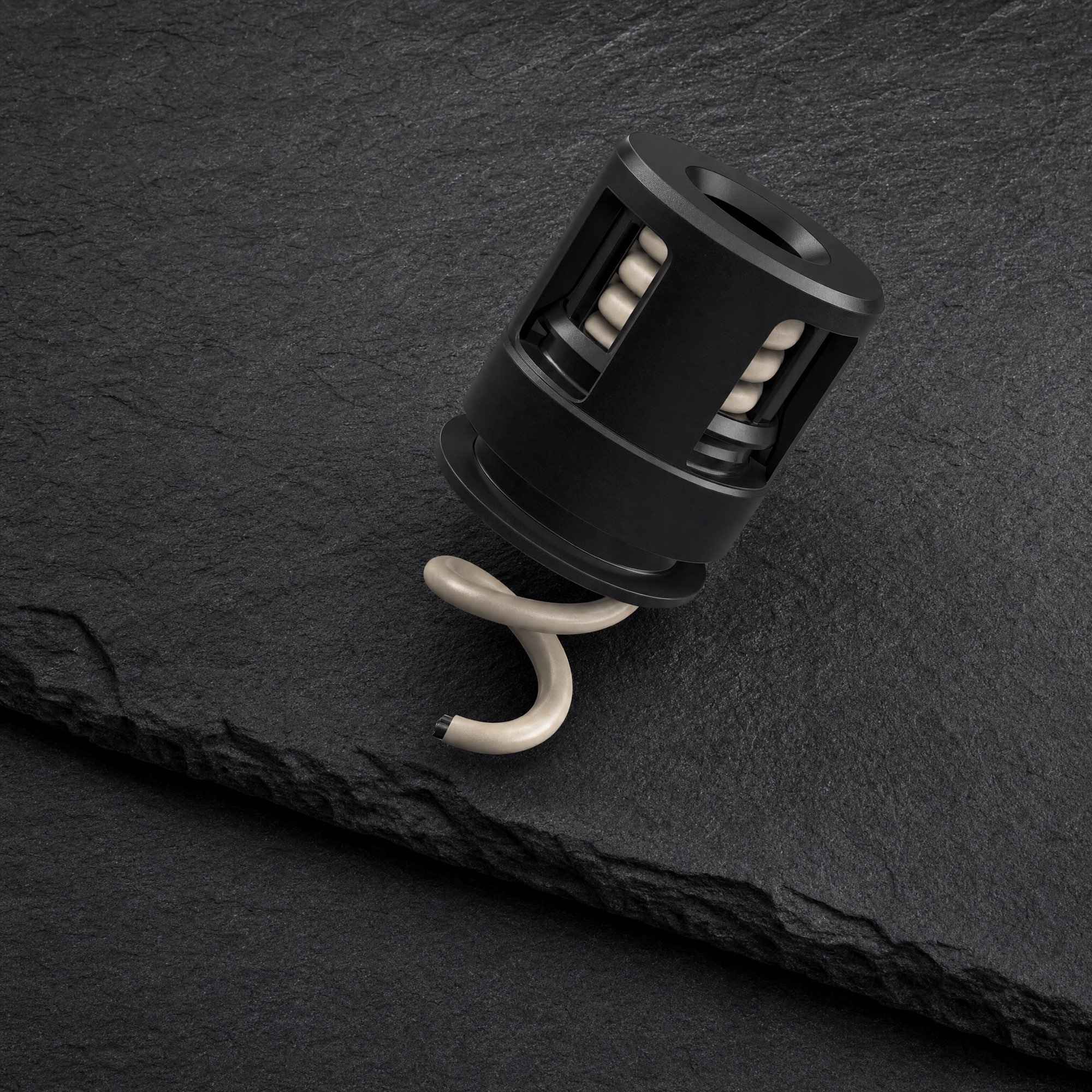
A small team with a novel mechanism and a filing to protect it. We cannot get it into every product line alone, and we do not want to by taking your customers.
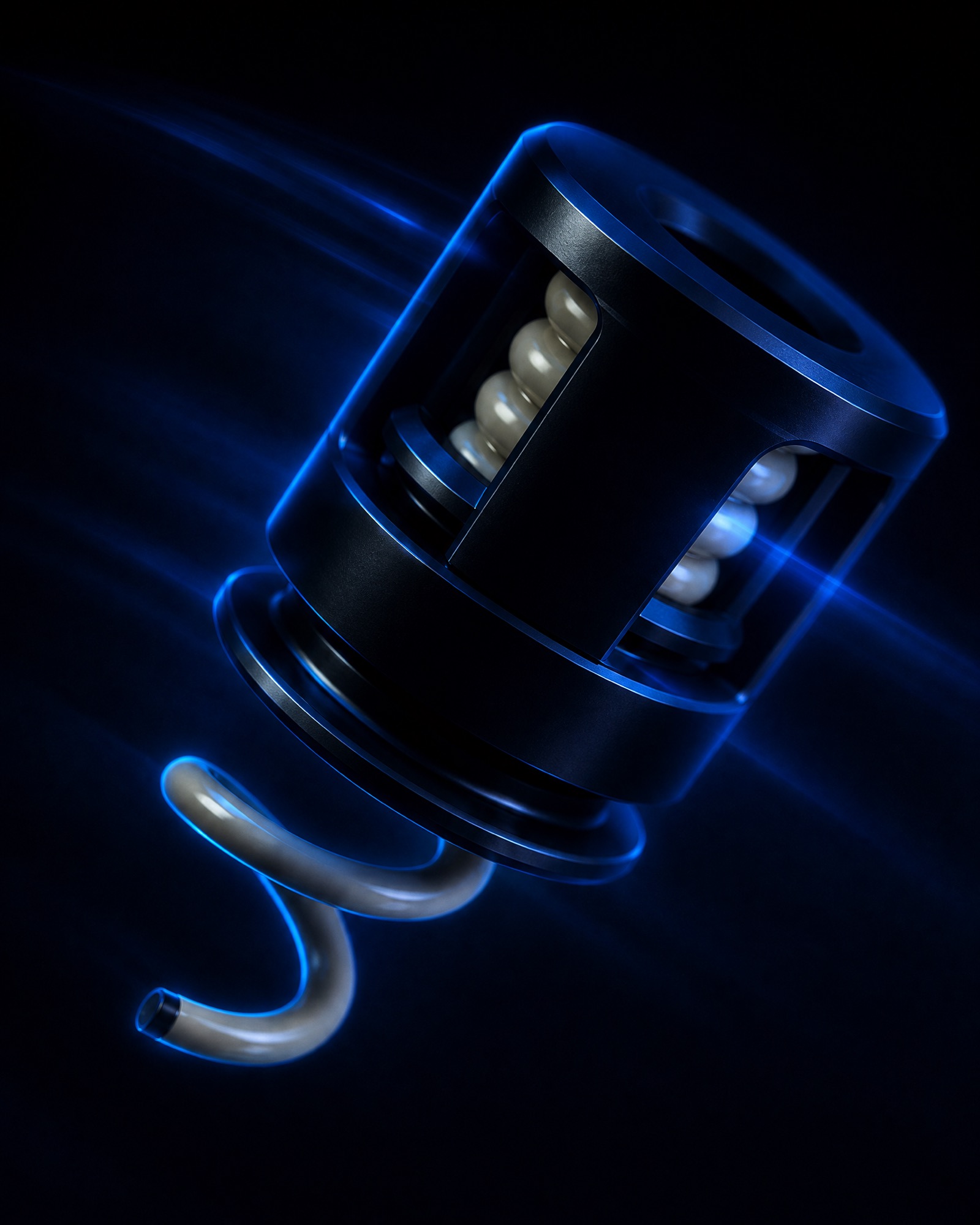
Build EEG hardware and want the mechanism in your own products, or distribute in your region? We would like to hear from you. Clinicians and hospitals have their own page: register clinical interest.
We license the patent-pending design for your own product line. Start with an evaluation and a validation study, before any commitment.
Talk about licensing →We are building a small network of distribution partners: research edition now, clinical edition once certified. Tell us your territory and the systems you support.
Talk about distribution →Neither? A student society has its own program, and so does any market where standard pricing isn't realistic.
Three reasons, before the commercial detail.
Cup and disc electrodes were designed around one hair type, and every range on the market inherited the assumption. Not a flaw in your product. A flaw in the part everyone buys.
UK patent application 2615593, pending. Licensing gives you a position in a category that does not have one yet, rather than a race to design around the same problem.
Regulatory and IP status →55 researchers, technicians and patients surveyed, the literature reviewed, published at the Graz BCI Conference. The demand side is documented too: UK neurology runs at one neurologist per 50,000 people against one per 25,000 in France and Germany, and specialist nursing sits 78% below the level NICE recommends (Epilepsy Action, 2024). Departments under that load buy for throughput. The people you have to convince internally can read all of it themselves.
See the evidence →
A small team with a novel mechanism and a filing to protect it. We cannot get it into every product line alone, and we do not want to by taking your customers.
Every partnership starts with the technology in your hands, not a contract.
Your product line or territory, the systems you support, and what validation would need to look like.
You test the electrode on your own equipment and participants, so the evidence is yours.
A letter of interest to purchase or to license, on terms that work for both sides.