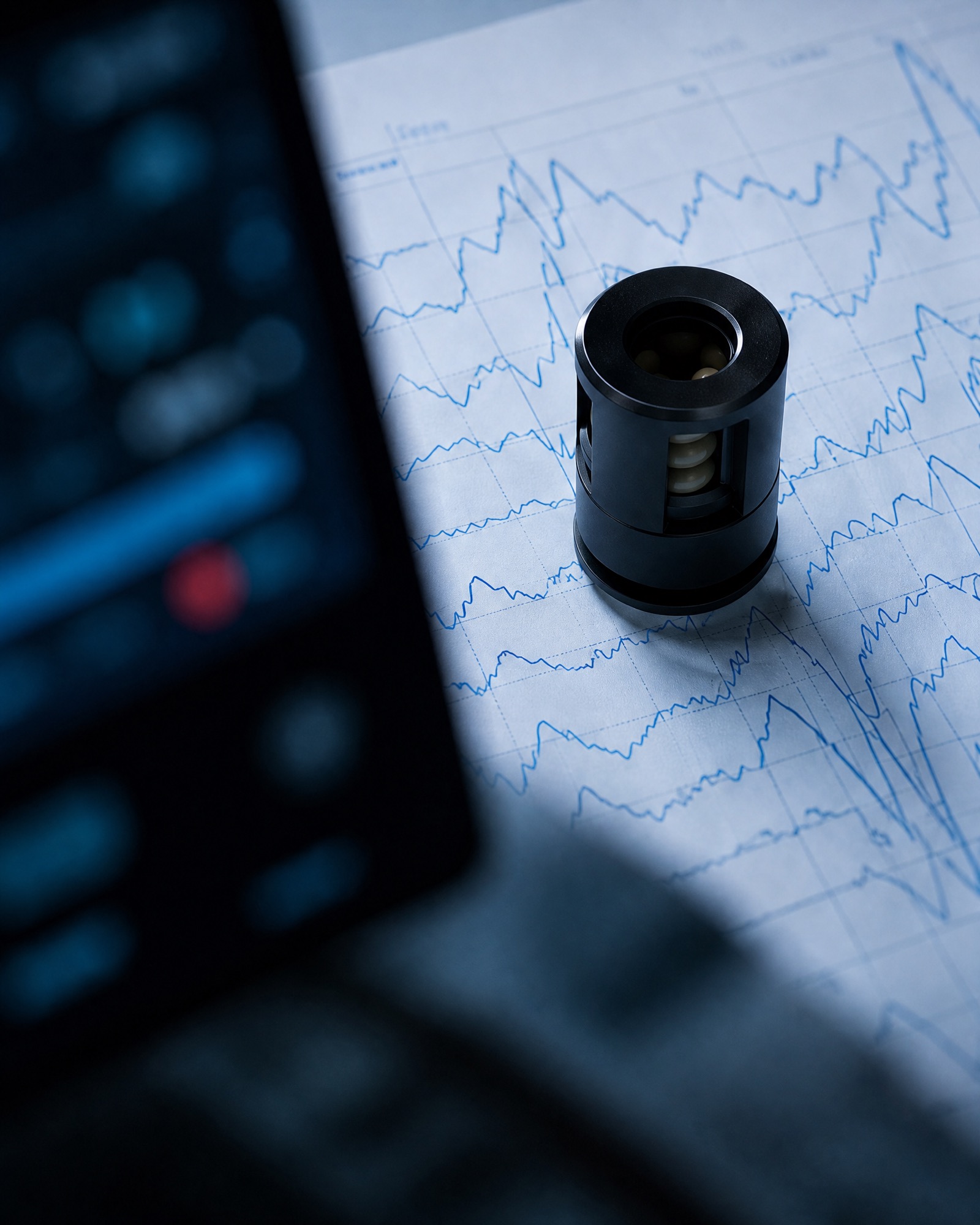
The Syn-R1 electrode resting on a printed EEG trace
Technology

An electrode that reaches the scalp.

Pin-based and braided-anchor electrodes are real progress, but none meet all four requirements at once: reliable scalp contact, wet-electrode impedance, no hair modification and minimal setup, on every hair type.

The design

A novel contact mechanism, in a familiar form.

The electrode sits in a standard cap position and connects to the amplifier you already have. What changes is how it makes contact.

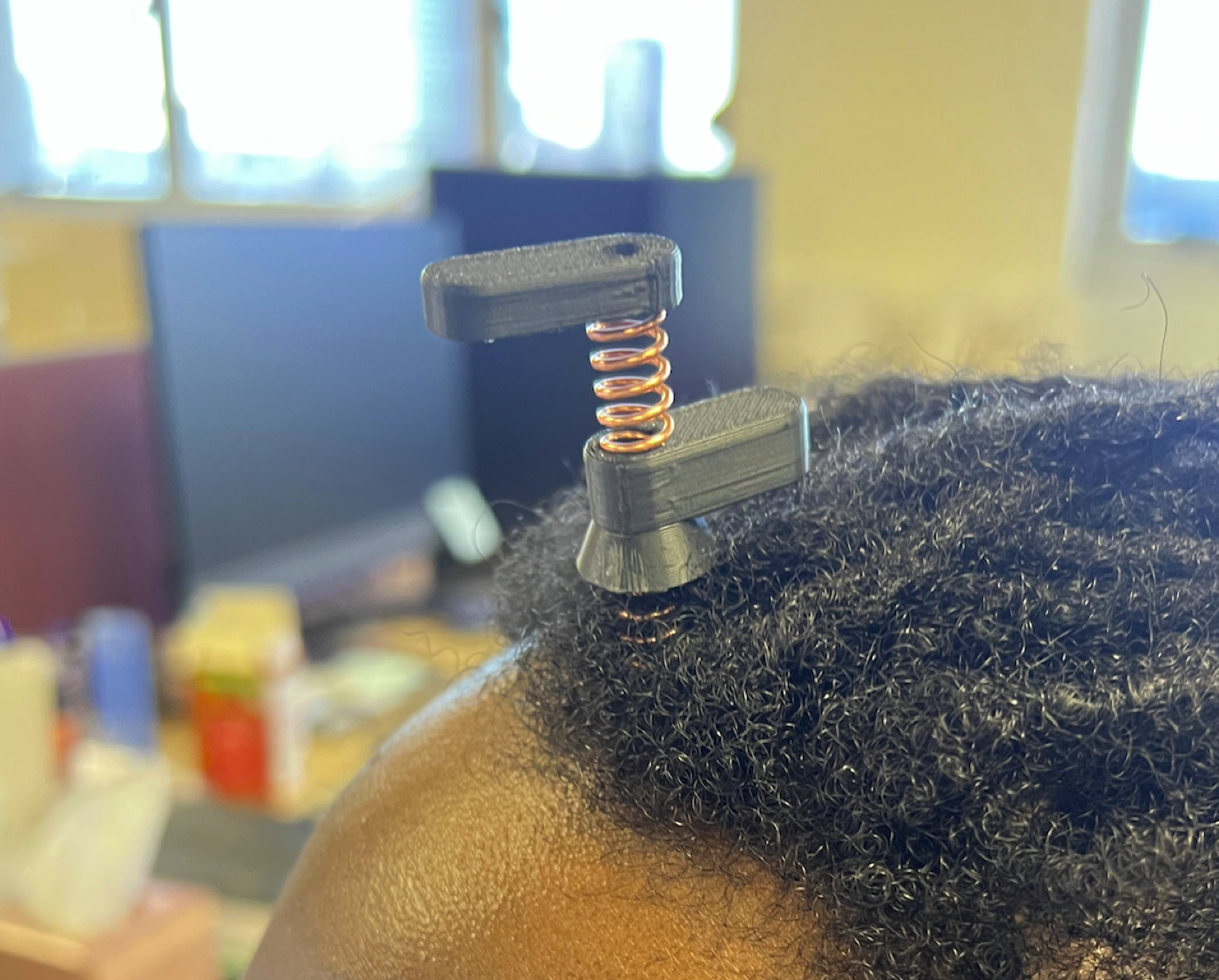
A standard cup electrode rests on whatever is in its way, so dense, coily or braided hair holds it off the scalp. The compliant tip parts the hair in front of it and keeps travelling until it meets the scalp, then holds contact there without gel-heavy preparation or braiding.

That is the mechanism, and it is why setup does not change from one participant to the next. The design is protected under patent application 2615593.7.

See the signal it produces →
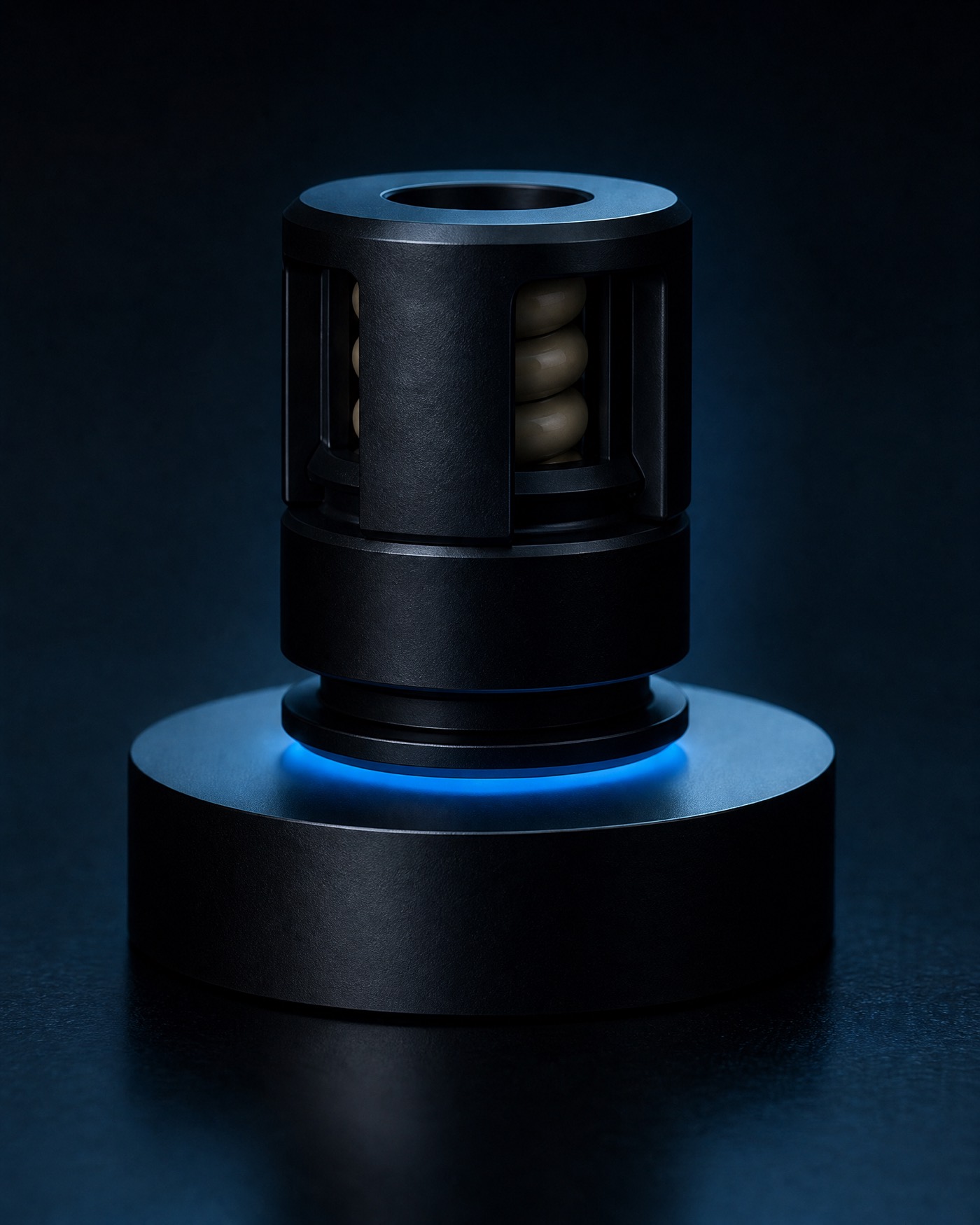
The Syn-R1 electrode standing on a machined base, lit from below
Beyond EEG

Built for EEG. Filed for every brain modality.

The filing is not limited to EEG. The same mechanism applies to fNIRS, tDCS and tACS, and the application covers all four.

EEG

Electrical recording

Where the mechanism is being proved first: passive, drop-in electrodes for reliable signal recording.

fNIRS

Optical recording

Functional near-infrared spectroscopy has the identical scalp-contact problem. The same mechanism applies to optical sensors.

tDCS

Direct stimulation

Transcranial direct current stimulation depends on stable, low-impedance scalp contact to deliver current safely and consistently.

tACS

Alternating stimulation

Transcranial alternating current stimulation carries the same requirement, and the same barrier for textured hair.

We are focused on EEG, where the evidence and the need are clearest. The same patent-pending mechanism covers every modality that depends on scalp contact.

What it delivers

Four requirements, met together.

Others meet one or two. The requirement is all four at once, on every hair type.

Universal contact

Straight, wavy, curly, coily and afro-textured hair, with no preparation or modification.

Wet-electrode parity

Signal quality at impedance levels equivalent to clinical-grade wet electrode systems.

Minimal setup time

No extended preparation, no additional gel protocol, no specialist knowledge for diverse hair.

Research-grade output

Built to the requirements of academic research, clinical EEG and consumer BCI.

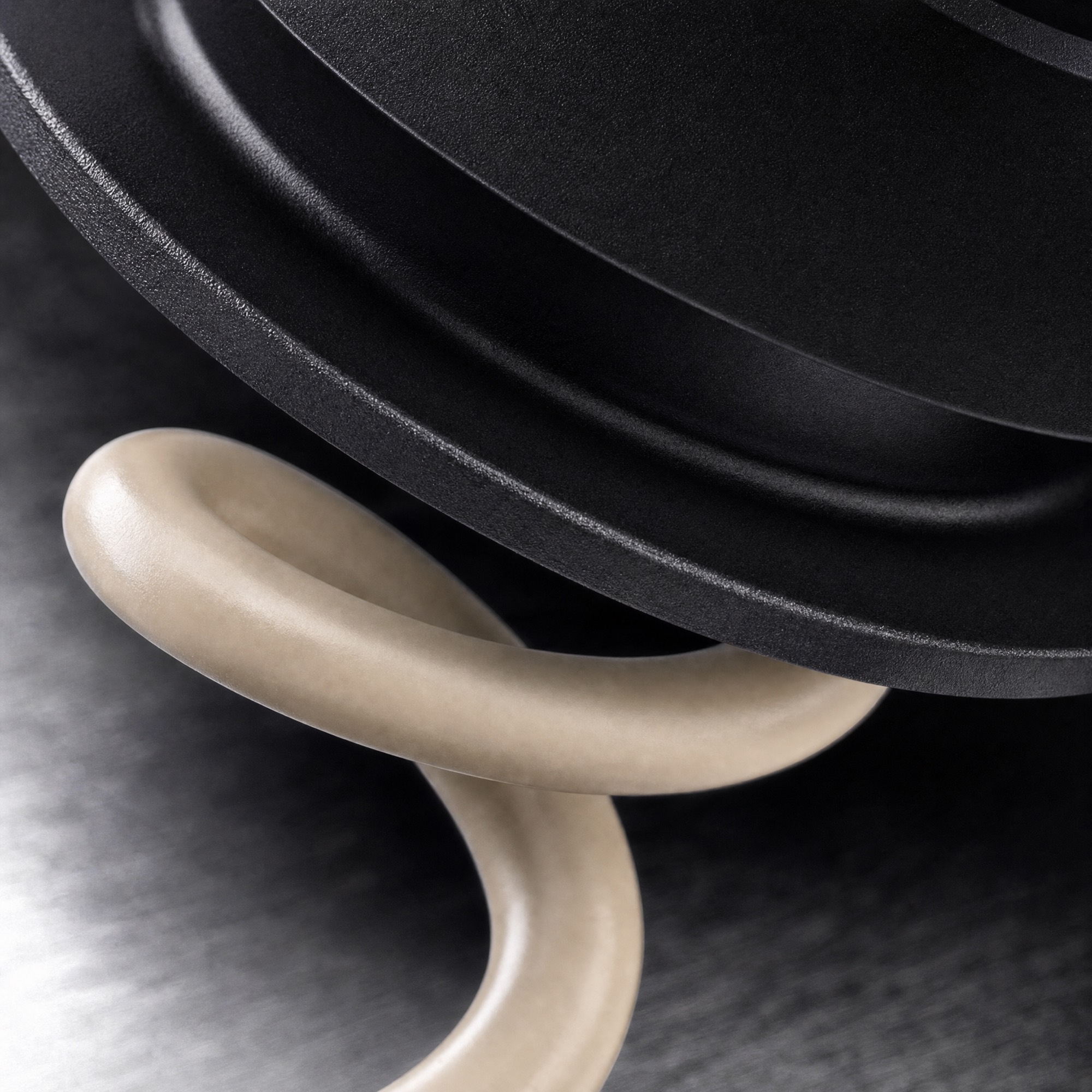
Macro detail of the electrode spring against the black housing
A Synaptive electrode making contact through afro-textured hair
Fits your workflow

Drops into the setup you already have.

It shares the form factor of the cup and disc electrodes you use today and connects to your existing amplifier over a standard connector. There is no new protocol and no workflow change.

The research edition is reusable and research-grade, the clinical edition is single-use, and both work for every participant, so you stop planning your studies around who the hardware can record from.

The detail

Where the rest of it lives.

The numbers, the recordings and the ordering detail have their own pages.

Evidence

Signal validation

Bench recordings against a clinical cup electrode, alpha-peak verification, and the survey and literature behind the problem. See the validation

Products

Editions and specifications

Research and clinical editions side by side, the full specification table, connector and amplifier compatibility, and downloads. See the specifications

Try it

See it work in your lab.